Understanding the Unique Appeal of Thai Cuisine
Thai cuisine has garnered significant global acclaim for its rich flavors and vibrant ingredients. The combination of sweet, sour, salty, and spicy elements creates an intricate balance that caters to a diverse palate. This complexity is not merely an accident; it is the result of a long history shaped by various cultural influences and geographical factors. With culinary traditions dating back centuries, Thai food represents a blend of native and external culinary practices, making it an intriguing topic for food enthusiasts and casual diners alike. For those looking to explore the allure of Thai food further, kinalyrestaurant.com offers in-depth insights into this unique culinary landscape.
Historical Influences on Thai Dishes
The roots of Thai cuisine can be traced back to ancient times when local flavors were influenced by neighboring countries, including China, India, and Malaysia. This rich tapestry of culinary practices has resulted in a unique set of dishes that are distinctly Thai. For example, the incorporation of rice and spices from Indian cooking has shaped staple dishes, while methods of preparation and cooking techniques were borrowed from Chinese traditions. Over the years, the influence of foreign traders, immigrants, and colonization further diversified Thai food, resulting in regional variations that offer a glimpse into the country's history.
Health Benefits of Common Thai Ingredients
Thai cuisine is not only delicious but also offers a plethora of health benefits. Many ingredients commonly used in Thai dishes have medicinal properties. For instance:
- Lemongrass: This ingredient is known for its anti-inflammatory properties and aids in digestion.
- Ginger: Essential in many Thai recipes, ginger can enhance the immune system and provide relief from nausea.
- Chilies: These not only add spice but are also rich in vitamins and can help boost metabolism.
By embracing these wholesome ingredients, Thai cuisine promotes a balanced diet, making it an attractive option for health-conscious diners.
Exploring Regional Variations in Thai Food
Thailand's diverse geography and cultural influences result in regional cuisines that highlight local ingredients and flavors. From the spicy, herbal dishes of the north to the milder, coconut-based curries of the south, each region offers its signature dishes:
- Central Thailand: Known for its use of jasmine rice and a balance of sweet and salty flavors.
- Isaan (Northeast): Famous for its spicy salads and grilled meats, often served with sticky rice.
- Southern Thailand: Renowned for its rich curries and seafood, influenced by Malay flavors.
These variations not only reflect Thailand’s geographic diversity but also its cultural tapestry, enhancing the overall dining experience.
Building a Memorable Dining Experience
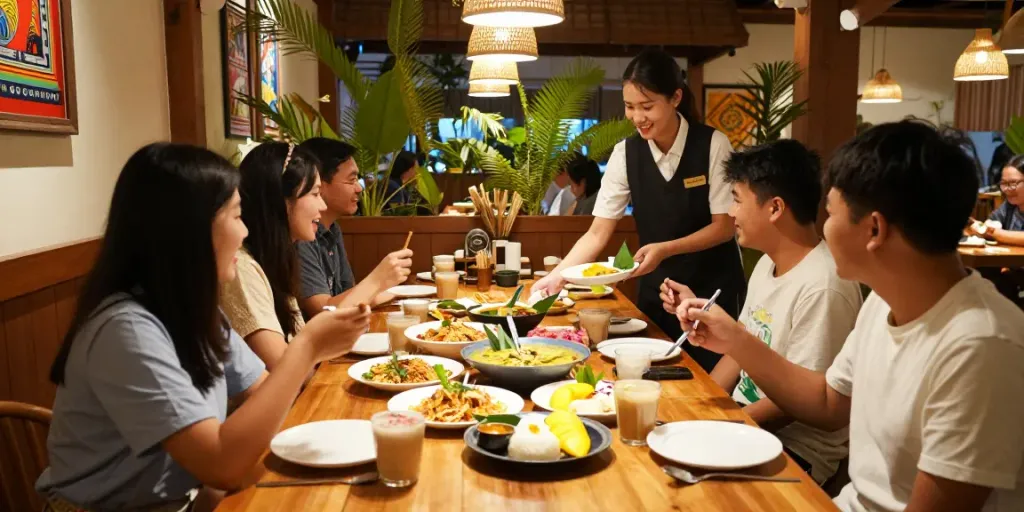
Creating a memorable dining experience goes beyond delicious food; it encompasses atmosphere, service, and cultural elements. Thai restaurants are often designed to reflect the warmth and hospitality that Thailand is known for, contributing to a welcoming environment.
Creating an Inviting Atmosphere
The ambiance of a restaurant plays a crucial role in shaping a guest's experience. Utilizing traditional Thai décor, such as wood sculptures, vibrant textiles, and warm lighting, can transport diners to Thailand itself. Background music featuring traditional Thai instruments can enhance this effect, allowing customers to immerse themselves in the culinary journey.
Engaging Service Tactics for Customer Satisfaction
Exceptional service is a hallmark of Thai hospitality. Training staff to offer attentive, personalized service can significantly enhance the dining experience. Techniques such as remembering repeat customers’ preferences and engaging them in conversation about their meals can foster loyalty and satisfaction.
Incorporating Local Culture into Dining
Thai restaurants can further engage patrons by incorporating local culture into the dining experience. This can be done through food festivals, cooking classes, or cultural events that showcase traditional Thai music and dance. Such initiatives not only attract customers but also enrich their understanding of Thai culture.
Effective Marketing Strategies for Thai Restaurants
In the competitive landscape of the restaurant industry, effective marketing strategies are essential for attracting and retaining customers. Thai restaurants can utilize various approaches to enhance their visibility and appeal.
Utilizing Social Media for Brand Awareness
Social media platforms serve as powerful tools for restaurants to connect with their audience. By sharing captivating images of dishes, behind-the-scenes videos, and customer testimonials, Thai restaurants can build their brand identity and engage potential diners. Utilizing hashtags related to Thai cuisine can further enhance their reach.
Collaborating with Local Influencers
Partnering with local food bloggers and influencers can significantly boost a restaurant’s visibility. These collaborations can take the form of sponsored posts, reviews, or hosting special events. Engaging influencers who genuinely appreciate Thai cuisine can introduce the restaurant to new audiences and create a buzz.
Implementing Loyalty Programs and Promotions
Loyalty programs not only reward repeat customers but also encourage word-of-mouth marketing. Offering discounts, special menus for loyal customers, or exclusive invites to events can cultivate a loyal customer base. Promotions, such as happy hours or themed nights, can also attract new customers looking for unique dining experiences.
Leveraging Online Presence for Growth
In an era where digital presence is paramount, restaurants must effectively manage their online footprint to stay relevant. A carefully optimized website can significantly enhance a restaurant’s visibility and customer engagement.
Optimizing Your Website for Search Engines
Search engine optimization (SEO) is crucial for ensuring that potential customers find a restaurant online. By utilizing relevant keywords, optimizing site speed, and ensuring mobile compatibility, Thai restaurants can improve their search rankings. Including a blog section can also boost visibility by providing valuable content related to Thai cuisine, cooking tips, and cultural insights.
Importance of Customer Reviews and Testimonials
Online reviews play a critical role in influencing dining decisions. Encouraging satisfied customers to leave positive reviews on platforms like Google and Yelp can enhance a restaurant's reputation. Responding to reviews, both positive and negative, demonstrates engagement and commitment to customer service.
Engaging Content Creation for SEO
Creating engaging content is essential for attracting visitors to a restaurant's website. This can include recipes, stories behind dishes, and videos showcasing the preparation of traditional Thai meals. Such content not only informs but also engages customers, encouraging them to visit the restaurant.
Trends in the Food Industry for 2026
The food industry is continually evolving, and staying ahead of trends is essential for restaurant success. Understanding emerging trends can help Thai restaurants adapt and thrive in a competitive market.
Emphasis on Sustainability and Local Sourcing
Sustainability is becoming increasingly important to consumers. Thai restaurants can leverage this trend by sourcing local and organic ingredients, minimizing waste, and implementing eco-friendly practices. Highlighting these efforts in marketing can attract environmentally conscious diners.
Integration of Technology in Dining Experiences
As technology continues to advance, integrating tech solutions into dining experiences is vital. Online reservations, mobile ordering, and contactless payment options are becoming standard. Furthermore, utilizing data analytics to understand customer preferences can help customize the dining experience.
Adapting to Changing Consumer Preferences
Consumer preferences are shifting toward healthier and more diverse dining options. Thai restaurants should adapt their menus to include vegan and gluten-free choices, ensuring they cater to a wider audience. Understanding dietary trends and preferences will keep the offerings relevant and appealing.
What Are the Future Predictions for Thai Cuisine?
Looking ahead, Thai cuisine is expected to continue its global ascent. With increasing numbers of people interested in authentic and unique culinary experiences, Thai restaurants have the opportunity to expand their influence. This could involve fusions of Thai flavors with other cuisines, creating innovative new dishes that attract adventurous eaters.
How Can Restaurants Stay Ahead of Competitors?
To maintain a competitive edge, Thai restaurants must focus on innovation while preserving authenticity. This can be achieved through menu experimentation, seasonal offerings, and incorporating customer feedback into the dining experience. Effective marketing, exceptional service, and a strong online presence will also play critical roles.
What Role Does Social Media Play in Restaurant Success?
Social media is vital for modern restaurant marketing, allowing for real-time engagement and interaction with customers. Through targeted advertisements, engaging content, and community building, restaurants can enhance their visibility and attract a loyal customer base. Establishing a strong social media presence should be a priority for any restaurant aiming for success.